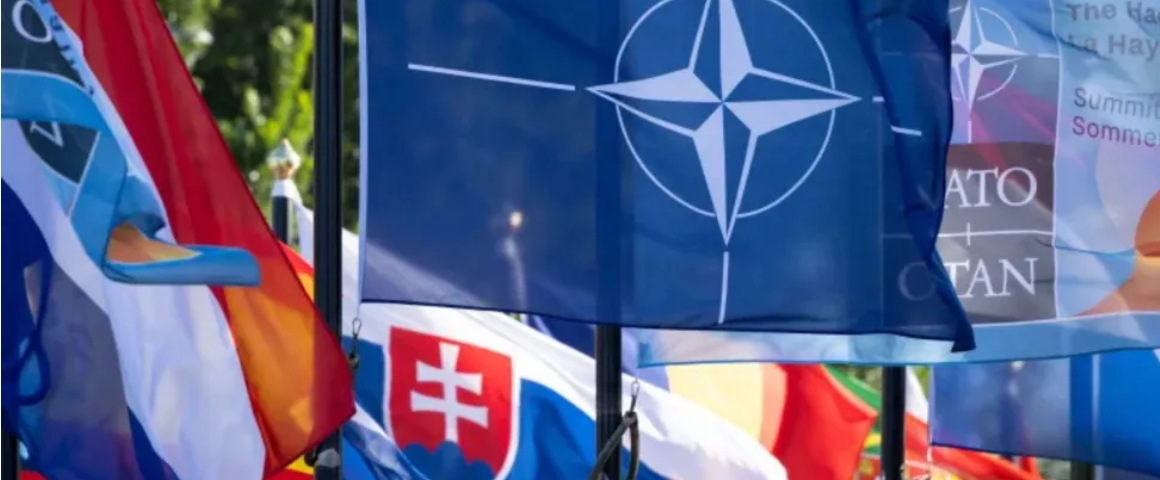
Serbia and NATO have launched their first-ever joint military exercise. The exercise, from May 12 – 23, is taking place near Bujanovac in southern Serbia.
Approximately 600 soldiers from Serbia, Italy, Romania and Türkiye are participating in the exercise. Military planners and observers from France, Germany, Italy, Montenegro, Romania, Serbia, Turkey, Britain and the United States are also involved.
The Serbian Ministry of Defence stated that the cooperation aims to “maintain peace and stability in the region.” NATO also announced the exercise using terms such as “joint planning,” “experience sharing,” and “cooperation.”
However, the significance of the exercise stems not only from its military scope but also from its political meaning. Although Serbia has been a participant in NATO’s ” Partnership for Peace ” program for nearly 20 years, this exercise marks the first direct joint military operation with the alliance.
NATO’s record in Serbia makes this cooperation even more controversial. The alliance conducted airstrikes against Yugoslavia during the Kosovo War in 1999, with the capital Belgrade also being targeted in the bombardments.
Following NATO’s intervention, an alliance-led peacekeeping force was deployed in Kosovo. Serbia, however, still does not recognize the independence of its former province, Kosovo.
Therefore, NATO is seen in Serbian society not only as a military alliance, but also as a force associated with destruction and violations of sovereignty in the country’s recent history.
Serbia is one of the few countries in the Balkans that is not a NATO member. The Belgrade government officially states that it follows a policy of “military neutrality.” However, this first direct joint exercise with NATO raises questions about how this neutrality policy will work in practice.
A NATO official, speaking to AFP, argued that the exercise was conducted “in full respect of Serbia’s declared policy of military neutrality.” However, this statement is not enough to mask NATO’s pursuit of expanding its military and political influence in the Balkans.
In recent years, the Belgrade government has strengthened its army, purchasing weapons from NATO member countries as well as military equipment from Russia and China. Serbia’s balancing act between the Western alliance and the Russia-China axis is being tested at a new threshold with this exercise.
Sol (Türkiye)
Support working-class media!
If you found this article useful, please consider donating to People’s Voice or purchasing a subscription so that you get every issue of Canada’s leading socialist publication delivered to your door or inbox!
For over 100 years, we have been 100% reader-supported, with no corporate or government funding.