By Rozhin Emadi
April 22 was Earth Day and, as with every year, we were encouraged to admire the beauty of the natural world. But Earth Day is also an important moment to reflect on the impact and politics of climate change.
Climate change is already altering our natural world, causing increasing droughts, heavier rainfall, rising sea levels and more frequent natural disasters. But sadly, many countries around the world have not kept up with even their modest climate goals made at the 2015 Paris Climate Agreement.
At this rate, we may see a world that is more than 3 degrees warmer, which can have catastrophic consequences, particularly for parts of the world that do not have the necessary infrastructure to face the realities of climate change.
The United Nations predicts that one billion people may be displaced due to climate change by the year 2050. Ten percent of the world’s population currently lives in coastal areas less than 10 meters above sea level, meaning rising sea levels could devastate these communities. Many people have already become climate refugees because hotter climates have destroyed their livelihoods.
Uneven impacts of climate crisis
Climate change highlights many global inequities. People in the Global South reside in some of the world’s worst hotspots, making them more vulnerable to the effects of global warming. Temperatures in these areas have already risen at nearly double the rate of the rest of the world, and “wet-bulb” temperatures – representing the combination of heat and humidity, which can render an area uninhabitable – are also increasing. Countries in the Global South countries already account for over 90 percent of weather-related displacements since 2008.
Hunger is also a growing climate-related problem for many developing countries. An estimated 821 million people are currently undernourished, while 151 million children under five are growing up completely malnourished. More than 1.3 billion people live on weakened agricultural land, putting them at risk of depleted harvests that can cause hunger, poverty and displacement.
As food insecurity worsens, so will the hunger pandemic. Scientists predict a 17-percent decrease in global yields of grains, rice and oilseeds by the year 2050, demonstrating the impact of climate change on food production. This will disproportionately affect communities that are already vulnerable to hunger, as well local economies which depend on agriculture.
This exacerbates impoverishment – more than 100 million people around the world are expected to be thrust into poverty by 2050. Some reports predict that climate change will lead to a 300-percent increase in extreme poverty in Latin America and the Caribbean by 2030.
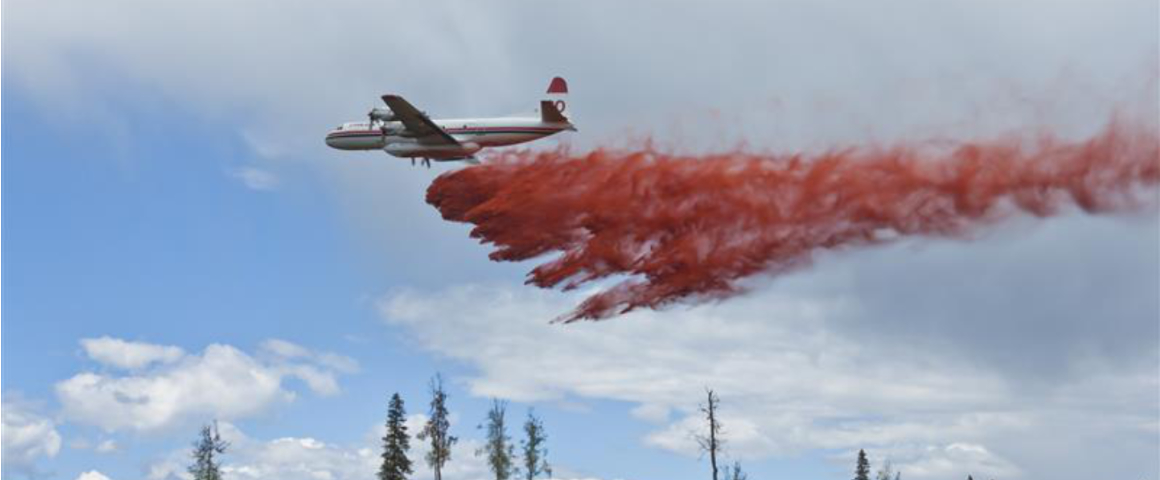
Vulnerable communities are often the most neglected in the face of climate change, as they receive far less investment than wealthier ones. This pattern occurs even in the world’s wealthiest countries. When Hurricane Katrina struck New Orleans, African American and working-class communities were left living in shelters for years, while the US government invested more in profit-driven wars abroad than in supporting its own people. In Canada, as wildfires and heavy rainfall devastated communities across British Columbia in recent years, many working-class families have struggled to make ends meet because of the lack of support provided to those who needed it most.
This shows that the impacts of climate change will vary and harm some people much more than others. Some of the world’s richest and most powerful people are focused on protecting their own communities through investments in climate-resilient infrastructure to mitigate risks, rather than preventing the most catastrophic consequences of climate change in the first place.
Wealthiest countries bear the most responsibility
Historically, the world’s wealthiest capitalist countries are responsible for most greenhouse gas emissions – the United States, Canada, Australia, Norway and Britain are responsible for 51 percent of planned expansion of new oil and gas fields through to 2050. Yet many of these same countries are not lowering their emissions enough, despite having the greatest economic means to transition to clean energy.
The corporate monopolies and huge militaries of these countries are the leading causes of pollution and the climate crisis. A 2017 study showed that 100 corporations were responsible for 71 percent of the world’s greenhouse gas emissions since 1988. Furthermore, in 2017 the US military alone emitted more greenhouse gases than industrialized countries like Denmark, Portugal and Sweden.
Canada is not an innocent bystander in this. Prime Minister Mark Carney has pledged to increase Canada’s military budget to $150 billion annually, making it clear that his government prioritizes militarism over investments in public services and green energy. As global tensions rise, increasing warfare and military conflict will continue to harm people across the globe – and the planet itself.
Clearly, not everyone is equally to blame for climate change. Some of the world’s most powerful forces hold greater responsibility, yet they have convinced many that the solution lies with individual action – reducing our personal carbon footprint, consuming climate friendly products, recycling and making other lifestyle changes.
But these same powerful forces are often the most hesitant to change their ways. For years, the fossil fuel industry denied climate science, fearing the economic impacts on oil and gas companies. Simultaneously, investor–state dispute settlements – mechanisms within trade agreements that allow companies to sue governments for policies that harm their investments – often protect corporate interests at the expense of the environment, as governments risk being sued for enacting climate policies that may reduce fossil fuel companies’ profits.
Climate justice undermined by corporate profiteering
As the demand for green energy, automation, AI and other new technology increases, we will see increased growth in mining of essential minerals that these sectors rely upon.
An estimated 81 percent of global mining activity is carried out by corporations from the wealthiest and most powerful countries. Canada itself is a mining giant, with an estimated 60 percent of global mining corporations either headquartered or listed on exchanges here.
This global industrial structure – which is not confined to mining – impacts heavily on climate politics, with corporations and allied political forces often threatening governments wanting to implement greater regulation over mining and other resource extraction activities in their countries.
In 2009, the Honduran government of Manuel Zelaya was overthrown in a coup backed by the US and Canada, after it announced modest social and economic reforms. Zelaya had introduced a minimum wage, announced plans to restrict foreign mining companies in Honduras, built stronger relationships with Indigenous environmental activists who challenged environmentally destructive resource extraction projects, and pledged to resolve longstanding land conflicts between peasant farmers and agribusinesses.
After the 2009 coup, the far-right government which replaced Zelaya explicitly and publicly stated that “Honduras is open to business.” It halted Zelaya’s proposed mining legislation, ended his moratorium on concessions to mining corporations, and introduced its own new mining law which reduced environmental regulation and paved the way for increased foreign access.
A world to win, and a planet to save
It is clearly urgent to build political action and solidarity between peoples’ movements around the world, around a vision that puts people and the planet before profits.
During the COP28 meeting in 2023, more than 600,000 people in at least 60 countries participated in more than 700 actions, calling for a just and fair green transition to protect our world from climate change. These actions pushed countries to agree that they must transition away from fossil fuels. Today, more countries are investing in green energy and implementing environmental regulations.
China especially has invested heavily in green energy. It is the global leader in solar energy, producing over 80 percent of the world’s solar panels and holding one-third of the world’s installed capacity. It also produces 60 percent of wind turbines, electric vehicles that charge in 10 minutes, and high-speed electric trains.
But alongside these steps away from fossil fuels, there is the rise of “green capitalism” which, like all capitalism, drives exploitation, violence and future wars. Climate justice cannot simply mean transitioning away from fossil fuels and into new multibillion-dollar energy sectors controlled by the wealthiest corporations – it is up to us to hold our governments accountable.
The energy sector and auto industry must be taken out of private hands and brought under public ownership and democratic control. This can help ensure transparency and regulation so that the energy sector does not engage in harmful practices, and the wealth produced from this sector can be reinvested into working-class communities instead of being hoarded by a handful of the wealthiest people.
Rather than investing in war and fossil fuel industries, as Canada is doing, governments should invest more heavily in renewable energy and public transportation. They need to provide a just transition for workers by guaranteeing jobs for those leaving the fossil fuel sector and ensuring that these are high-quality union jobs with pensions and benefits.
Governments also need to implement strict legal limits on pollution and emissions and not allow multinational corporations to block environmental regulations through mechanisms like investor–state dispute settlements.
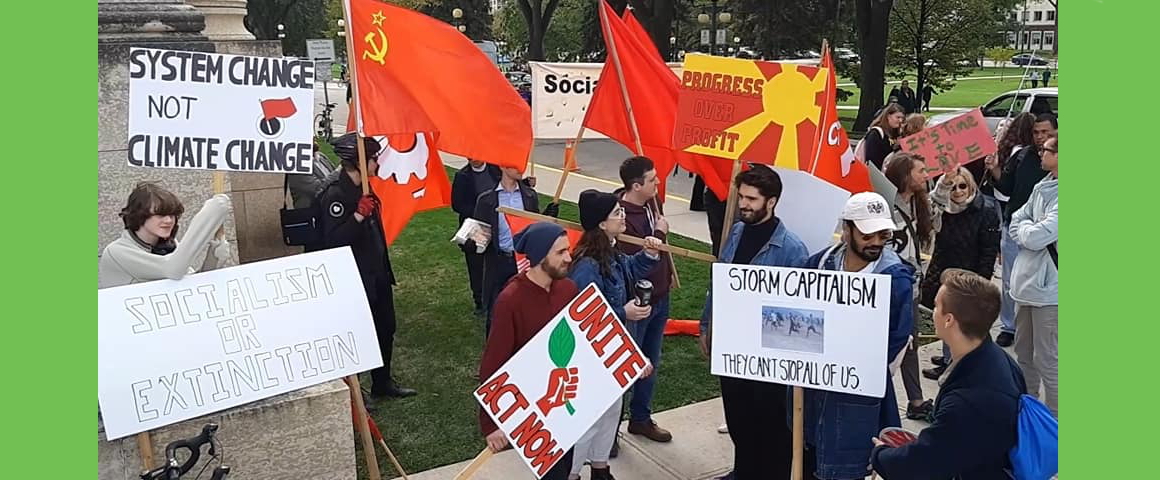
Protecting the planet requires mass, democratic struggle against corporate monopolies and imperialism. Earth Day should always be an important reminder that it is up to working people to take up this struggle and build a better, more just world.
Support working-class media!
If you found this article useful, please consider donating to People’s Voice or purchasing a subscription so that you get every issue of Canada’s leading socialist publication delivered to your door or inbox!
For over 100 years, we have been 100% reader-supported, with no corporate or government funding.