By Jack Copple
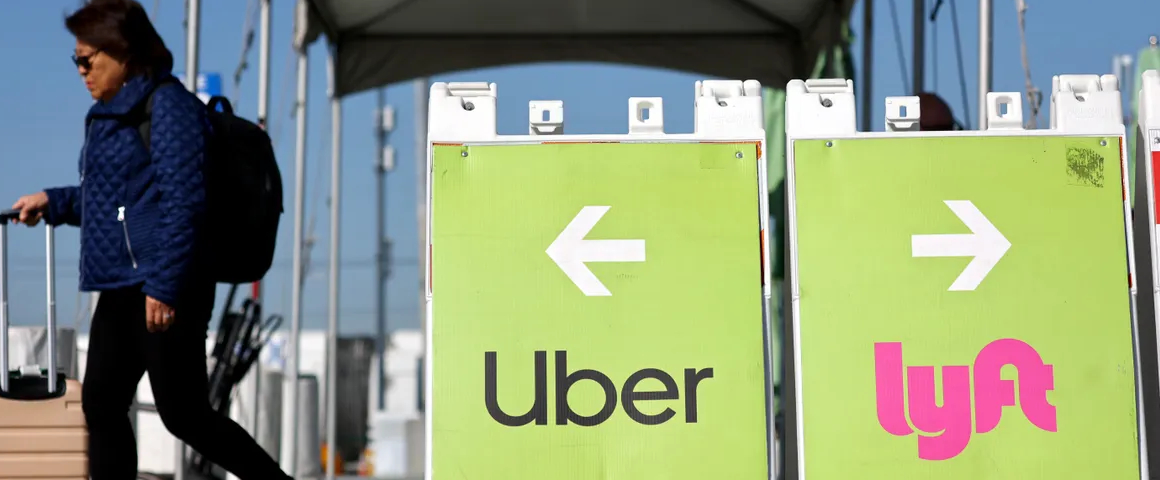
Like most municipalities in the world, Toronto is playing catch-up on regulations covering the vehicle-for-hire (VFH) industry, which is dominated by companies like Uber and Lyft. Toronto is currently considering a variety of regulations but must ultimately choose between those which are good for Uber’s bottom line or those which benefit working people.
As with most of the gig work sector, the VFH industry skirts around regulations, including labour law, by hiding behind the illusion of big-tech innovation. Through some clever legal fiction, this has allowed companies like Uber to pay workers less than minimum wage, flout health and safety regulation, and completely ignore environmental and infrastructural concerns.
While this approach has been great for Uber’s bottom line, it wreaks havoc on the lives of the people it employs. A recent City of Toronto study revealed that, on average, VFH drivers make just over $5 per hour worked – far below anything approaching a livable wage. industry also has parasitic effects on the cities they operate in: clogging traffic, diverting fares from public transit and intensifying race-to-the-bottom business strategies.
In response to these widespread negative social impacts, working people across the country are increasingly calling for regulation of the VFH industry. In many areas, the labour and people’s movements have won important gains to push back on the industry’s worst excesses.
But VFH companies, and the big tech and finance monopolies who back them, have begun to fight back hard. In Toronto, Uber has used its massive cash stockpiles to build a bully pulpit to lobby against any form of regulation. According to Toronto’s lobbyist registrar, Uber has lobbied Council a staggering 4000+ times over the 10 years that its file has been open — meaning they have averaged at least 1 communication with Council every single day for a decade. VFH and gig companies have dominated lobbying at Council in the years since their development, with Uber alone representing 10 percent of total lobbying in some years.
Uber’s most recent bout of lobbying has been to prevent regulations which have been under discussion in Toronto since 2023 and would reel in some of its worst excesses. Proposed by RideFair, a coalition of rideshare drivers, labour and community transit activists, the regulations would cap the number of business licences issued for VFH companies. RideFair proposes a cap of 25,000 active driver licences in the city — a significant reduction from the 90,000+ licenses currently active today.
By cutting licenses, RideFair says that drivers’ pay will increase, as the better-managed supply will decrease time waiting for their next ride. A lower cap will reduce congestion and greenhouse gas emissions by removing cars idling on the road, speeding up public transit and making commuting through the city safer and faster for all.
Mayor Olivia Chow attempted to make regulating Uber an early priority for her administration, bringing in regulations in line with RideFair’s proposals in late 2023. In response, Uber threatened the city with a lawsuit and put up billboards across the GTA attacking Chow and her staff for attempting to regulate the industry. As a result, the policy quietly died in the annals of the city’s bureaucracy.
Now, the city is drafting new proposals to regulate VFH companies, but it is taking a different approach which favours corporations over working people.
The new policy would increase the levy on VFH rides – they are currently charged between $0.90-$1.50 per ride – to generate revenues for the city, and push people toward public transit like the TTC But this sort of market-based approach to regulation is exactly the type the industry is willing to accept – and even quietly support – because the fees can be passed on directly to the consumer and never be borne by the company. That means prices will go up for riders, but driver pay will stay down, city streets will stay clogged and Uber’s profits will stay up.
Without cracking down on the predatory VFH industry and their pernicious lobbying efforts, public transit like the TTC will be left more vulnerable to privatization. VFH trips in Toronto are already steadily increasing, up from 10 percent of daily TTC ridership in 2019 to 21 percent today. This opens the door for privatization to companies like Uber, as some municipalities including Toronto have done in recent years by offering credits for VFH rides in place of public transit. In the long term, this will further erode standards in public transit, and can lead to transit “death spirals” in which ridership declines lead to revenue losses in a vicious cycle.
Ontario Premier Doug Ford’s pro-corporate Bill 98 gives the provincial government even greater control over municipal transit, and could see him roll out zone-based fares and privatize more segments of the transit lines to VFH companies. Ford’s recent addition of Uber to the “Ontario Corps,” which is responsible for natural disaster response, could see the company ferrying goods and injured people to and from sites of natural disasters and other emergencies. Ford seems content to have Uber take over public transit and ambulance services – and likely every mode of transportation currently in public hands.
To push back on the VFH industry’s worst excesses, activists in the labour and the people’s movements must push City Council to stay the course on regulating the VFH industry by capping licenses in addition to fighting for levies. Implementing caps is receiving more pushback from companies like Uber because it’s a bigger threat to their profits and their system of control, providing more leverage and negotiating power for workers they employ.
Ultimately, the best way to confront the VFH industry is through extensive, quality, accessible and free public transit. The reason VFH trips are increasing relative to the TTC is the chronic underfunding of the service, which has been going on for decades. Reversing that decline and winning gains will require more of the concerted organizing efforts we already see in the city, including the work done by organizations like TTCRiders and advocacy from transit workers unions like ATU Local 113.
In 2018, Ford’s attempt to upload control over the subway system was blocked by a coalition led by labour and the people’s movements. Blocking the further selloff of transit infrastructure to companies like Uber is not only possible today, but urgent.
Support working-class media!
If you found this article useful, please consider donating to People’s Voice or purchasing a subscription so that you get every issue of Canada’s leading socialist publication delivered to your door or inbox!
For over 100 years, we have been 100% reader-supported, with no corporate or government funding.