PV Toronto Bureau
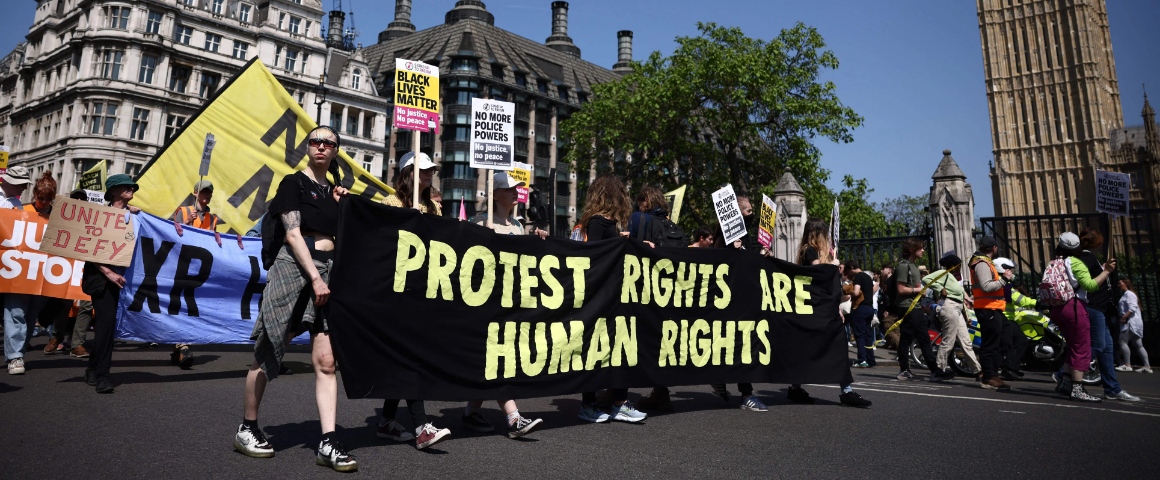
At its May 21 meeting, Toronto City Council will consider a by-law proposal to create so-called “community safety zones,” more popularly known as “bubble-zones.” If passed, the by-law would impose vast restrictions on the right to free speech and free assembly in the city.
While the text of the proposed by-law is not yet public knowledge, debate at the December 18 council meeting indicated it would likely take inspiration from a series of other, similarly restrictive by-laws which have been implemented across the country. In particular, the Toronto discussion cites a by-law passed in Vaughan, Ontario, which places 100-metre restrictions around particular institutions including places of worship, schools and day care centres. The by-law forbids “nuisance” protests from occurring within these 100-metre bubbles, with nuisance being described as anything which is likely, whether intended or not, to cause someone to feel intimidated. This broad and far-reaching definition allows the by-law to restrict any and all forms of demonstration.
Worse yet, the Vaughan by-law gives its council the power to directly decide what a nuisance is and what could become one, giving it the political authority to shut down all politically inconvenient speech. The fact that Toronto is looking to Vaughan as the blueprint suggests that similarly repressive and expansive measures may be brought to Canada’s largest city.
It could be worse, though, as Toronto staff have signalled they are developing a by-law which is even more expansive in scope. The public consultation process suggested that the city is hoping to restrict demonstrations around an even broader range of sites including cultural institutions like art galleries, post-secondary schools, community centres and others.
Toronto’s public consultation process, which included a digital survey component, has been widely condemned by the labour movement and organizations like the Canadian Civil Liberties Association. The city’s council and staff received so much public outrage over the flawed process that an urgent motion was brought forward at the April city council meeting to review public consultation processes for all by-laws going forward.
This is not the first time a by-law of this type has been proposed in Toronto. Similar discussions have occurred at several council meetings, and another motion came forward in the spring of 2024 asking the provincial government to impose a similar by-law. After intervention from the labour and people’s movements, these were all defeated.
So it was to some surprise, including to some councillors, that staff brought back another recommendation of a by-law. Some councillors even questioned whether it was in order to do so. This has led to questions about whether or not lobbying influence is at play, and it serves as a potent reminder of the urgent need to remove wealthy lobbyists and corporate forces from the political process.
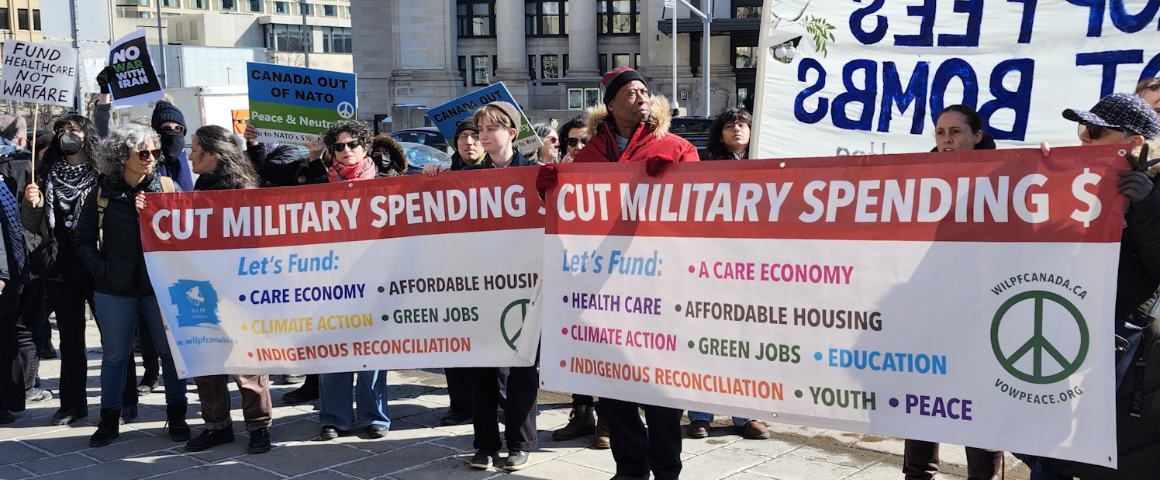
The forces lobbying for restrictions to speech like this do so against the backdrop of nearly two years of sustained protests calling to an end to the ongoing genocide in Palestine. These uprisings for peace have occurred across the country, and have been particularly strong in Toronto, with the city seeing rallies in the tens of thousands in solidarity with the Palestinian people.
Overwhelmingly, despite vicious attacks from corporate, right-wing and Zionist forces, the Palestine solidarity protests in the city have been lawful and widely supported by working people. Precisely because of this, repressive forces on Toronto City Council are seeking to expand the law’s scope, as their current toolkit leaves them unable to totally suppress popular sentiments in support of Palestine and its people, despite every effort on their part to do so. Not coincidentally, the bubble zone by-law would de facto ban protests at sites of the some of the most frequent demonstrations, including the offices of several sitting MPs who have seen regular protests against their support of the genocide.
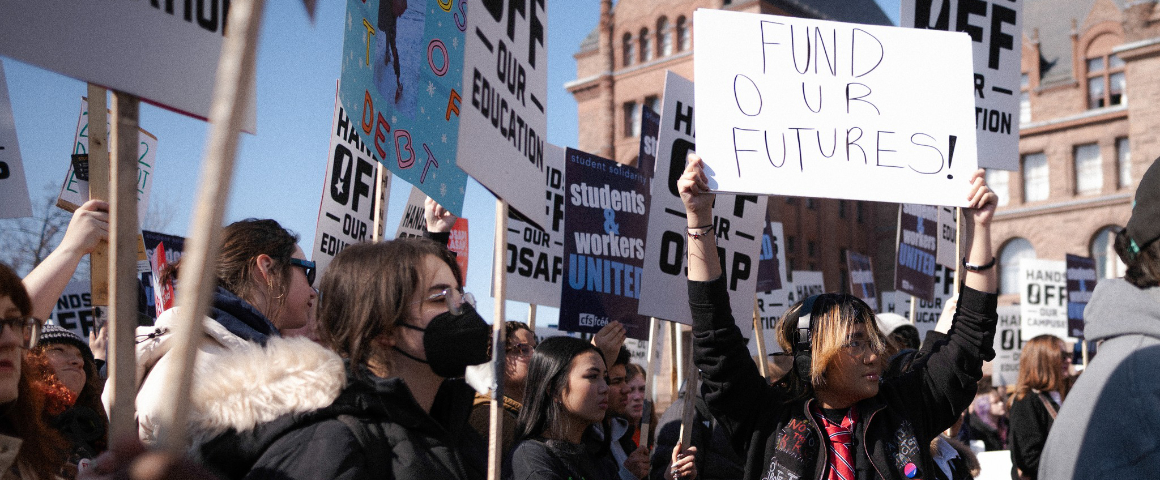
The drive to expand state repression against working people goes beyond the scope of Palestine solidarity. For several years, the labour and the people’s movements have escalated their fightback against declining living standards and for social change – in many ways, the growing Palestine solidarity movement is an extension of those other struggles. The labour movement in particular has seen a resurgence in militancy in the recent period, with strike activity in 2023 and 2024 reflecting multi-decade highs.
The bubble zone by-law is a continuation of the repression faced by the labour movement, through both legislative and extra-legislative means, at the hands of all levels of government. This includes the federal government’s use of section 107 of the Labour Code to break up several high-profile strikes like that at Canada Post, Doug Ford’s use of the notwithstanding clause to end the education workers’ strike in 2022, and the recent escalation of police intervention in lawful strikes and pickets including the brutalization and arrest of striking CUPE 3903 workers in 2023.
Unsurprisingly, during motivations for a similar bubble zone by-law in February 2024, Toronto councillor James Pasternak cited his desire to restrict unions’ ability to negotiate. In particular, he cited a bargaining rally organized by healthcare workers affiliated with the Ontario Coalition of Hospital Unions (OCHU) as something he would like to constrain, reiterating several times that he would like to see unions’ ability to take the street taken away.
The massive repression of dissent which is occurring in the United States should be a chilling reminder of where restrictive by-laws like this can lead. Prime Minister Mark Carney has indicated that one of his first tasks will be to impose similarly restrictive legislation across the country, making such protests a criminal offence and further eroding democratic norms in Canada.
Notably, beyond just the far right, both liberal and social democratic parties are signalling their support of this kind of oppressive legislation. As the labour and people’s movements continue to build the fightback, these restrictions and support for them from capitalist parties will only continue to grow, making the need to build forces of opposition now all the more urgent.
The Toronto Committee of the Communist Party of Canada has issued a statement condemning the restrictive, anti-worker and anti-democratic legislation being considered by Toronto City Council. “To protect the gains won by labour and progressive movements, we call on Council to reject any measures which seek to restrict democratic rights of the working class,” said the statement.
The Party notes that to build the struggles for peace, for real democracy, and for an economy which serves working people, the labour and people’s movements must urgently mobilize a unified struggle to defend and expand civil and democratic rights in the city and the country. “We urge all in the labour and people’s movements to fight and reject any restrictions.”
[Photo of protest rights rally in Britain: Human Rights Watch]
Support working-class media!
If you found this article useful, please consider donating to People’s Voice or purchasing a subscription so that you get every issue of Canada’s leading socialist publication delivered to your door or inbox!
For over 100 years, we have been 100% reader-supported, with no corporate or government funding.